
January 24, 2026
Why Winter Allergy Symptoms Persist in Corpus Christi

For many people, winter is supposed to bring relief from allergy symptoms. Fewer blooms. Cooler air. A break from pollen season.
But in Corpus Christi, winter allergies often don’t get the memo.
If you’re still dealing with sneezing, congestion, itchy eyes, or a runny nose long after summer fades, you’re not imagining things. Winter allergy symptoms can persist — and sometimes worsen — in South Texas, especially along the coast.
Let’s take a closer look at why allergies don’t go away in winter, what’s triggering symptoms locally, and how to tell the difference between winter allergies and a cold.
Winter Allergies vs. Colds: Why It’s So Confusing
One of the biggest frustrations patients face during winter is figuring out whether they’re sick — or dealing with allergies that just won’t let up.
Winter allergies and colds often share symptoms like:
- Sneezing
- Runny or stuffy nose
- Sinus congestion
- Postnasal drip
- Fatigue
The difference usually comes down to timing and patterns.
Colds typically resolve within 7–10 days and may include fever or body aches. Winter allergies, on the other hand, tend to linger for weeks or months, often without fever, and may include itchy eyes or throat.
If your symptoms improve briefly, then return — especially indoors or around specific triggers — persistent winter allergies may be the real cause.
Why Allergies Don’t Go Away in Winter in Corpus Christi
In colder regions, winter brings a natural pause in outdoor allergens. But Corpus Christi’s mild winters allow allergy triggers to stick around, making allergies in winter a common issue for many residents.
Winter allergies are often driven by indoor allergens, along with ongoing outdoor exposure unique to coastal South Texas.
Here’s why winter allergies are so persistent locally.
Mold Thrives in Coastal Winter Conditions
One of the most common contributors to winter allergies in Corpus Christi is mold.
Cooler temperatures combined with humidity, rainfall, and coastal moisture create ideal conditions for mold growth — both outdoors and indoors.
Common winter mold sources include:
- Damp leaves and soil
- Outdoor debris after rain
- Bathrooms and kitchens
- HVAC systems
- Closets or poorly ventilated spaces
Winter mold allergies often cause nasal congestion, sneezing, sinus pressure, and watery eyes — symptoms that can persist all season long.
Indoor Allergies Increase During Winter
As temperatures drop, people spend more time indoors — and that’s when indoor allergies during winter tend to intensify.
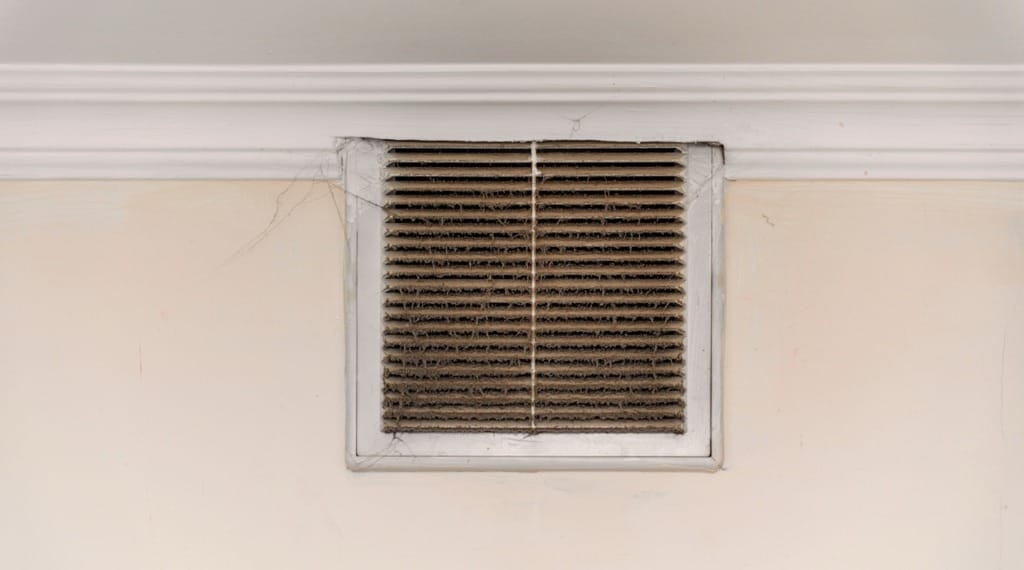
Common indoor allergens include:
- Dust mites, which thrive in bedding, carpets, and upholstered furniture
- Pet dander
- Mold spores
- Indoor air pollutants
Because homes are closed up more tightly in winter, allergens circulate more easily. This can lead to chronic allergy symptoms that don’t seem to improve, even with over-the-counter medications.
Indoor air quality can also be affected by heating systems, candles, cleaning products, and other irritants, further worsening symptoms.
Dust Mite Allergies Don’t Take a Winter Break
Unlike pollen, dust mites are a year-round allergen — and winter conditions often increase exposure.
Heavier bedding, warm blankets, and reduced ventilation allow dust mites to thrive indoors. For people sensitive to them, this makes dust mite allergies in winter a frequent cause of lingering symptoms.
Mild Winters Mean Ongoing Outdoor Allergens
Corpus Christi’s climate plays a major role in coastal allergies in winter.

Because winters are mild:
- Some grasses and weeds remain active
- Mold levels stay elevated outdoors
- Seasonal allergens never fully disappear
For many residents, this results in year-round allergies, rather than clearly defined allergy seasons.
Common Winter Allergy Symptoms to Watch For
Winter allergy symptoms vary from person to person, but commonly include:
- Ongoing sneezing or runny nose
- Nasal or sinus congestion
- Itchy or watery eyes
- Postnasal drip
- Throat irritation
- Sinus pressure or headaches
If symptoms last longer than expected or worsen in certain environments, winter allergies — not a lingering cold — may be the cause.
Why Allergies Can Feel Worse in Mild Winters
It’s easy to assume colder weather should mean fewer allergy symptoms. In reality, allergy symptoms in mild winters can feel more intense because exposure never truly stops.
Without a hard freeze:
- Mold remains active
- Indoor allergens accumulate
- Outdoor triggers continue circulating
Unlike colds, which evolve and resolve over time, allergy symptoms often remain consistent as long as the trigger is present. This constant exposure can lead to allergies that last all winter.
The Role of Indoor Air Quality in Winter Allergies
During winter, spending more time indoors becomes the norm — and indoor air quality plays a major role in how severe allergy symptoms feel.
Dust mites, pet dander, mold spores, and other indoor allergens can build up when windows stay closed and fresh air is limited. Everyday activities like vacuuming, dusting, or turning on the heat can stir these allergens into the air, triggering sneezing, congestion, and irritation.
Managing indoor air quality is often a key piece of controlling winter allergy symptoms.
How to Manage Persistent Winter Allergies
If winter allergies are interfering with your comfort, sleep, or daily routine, a few proactive steps may help reduce exposure:
- Wash bedding weekly in hot water
- Use a dehumidifier to control indoor moisture
- Replace HVAC filters regularly
- Clean visible mold promptly and safely
- Shower after outdoor exposure
- Keep windows closed on high mold days
Medications like antihistamines, nasal sprays, and saline rinses may help relieve symptoms, but they don’t address the underlying cause — especially if allergies are persistent.
When to See an Allergist in Corpus Christi
If you’re experiencing ongoing symptoms despite over-the-counter treatments, seeing an allergist in Corpus Christi for winter allergies can help identify what’s really triggering your symptoms.

An allergy evaluation may include:
- A detailed medical history
- Allergy testing to identify specific triggers
- A personalized treatment plan
Understanding whether symptoms are caused by mold, dust mites, indoor allergens, or outdoor exposure allows for more effective, long-term relief.
Winter Allergies Are Common — But Relief Is Possible
If your Corpus Christi allergy symptoms don’t fade when winter arrives, you’re not alone.
Between mold, indoor allergens, coastal humidity, and mild winters, winter allergies in Corpus Christi are common — and often misunderstood.
The good news? With proper evaluation and care, relief is possible — even during the winter months.
If your symptoms are lingering, recurring, or interfering with daily life, it may be time to look beyond “just a cold” and get answers.


